
We’ve put these resources together to answer some of the questions you may have about your child’s assessment or the role of educational psychology.
Waiting for support for your child can feel confusing and, at times, overwhelming. You are not expected to know the system, and these answers are here to make it a little easier to find your way around.
Psychology Direct works with schools, multi-academy trusts and local authorities rather than directly with families, so we are not able to accept private referrals. What we can do is explain how the process works, what to expect, and who to talk to next.
You will receive a consent form to complete. We will only work with your child once you have given informed consent. This means you understand:
An EP may do the following:
The EP will write a report following their involvement which
will be shared with you and the school/setting. This may include:
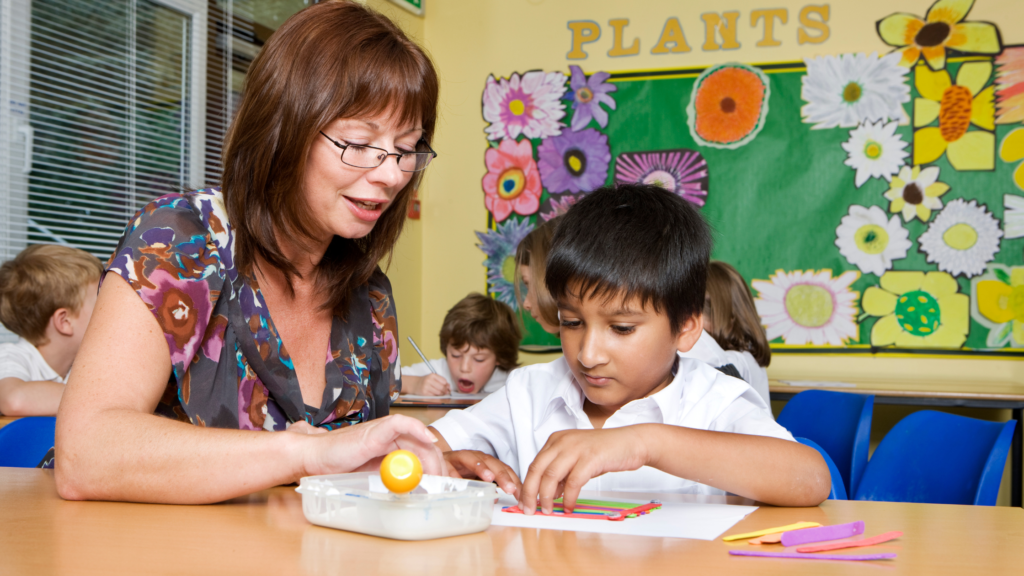
Educational Psychologists (EPs) work with children and young people aged 0-25 to help them learn, develop, and thrive in their education.
They focus on understanding how a child thinks, learns, communicates and manages emotions. They work with people who are important to the child or young person, including families, carers and schools, to make a plan for support.
As part of the assessment, an Educational Psychologist will want to hear your views on what your child is good at, their key areas of need and some background information about your child’s history.
Yes, we ask that you are in the room or within earshot throughout the whole meeting.